Air Blast Doors Use Cases
Understanding when to use EN 13123-1 (Shock Tube) vs EN 13123-2 (Outdoor Detonation) testing standards for air blast doors.
Blastproof Security Doors
Our range of blastproof security doors meets both EN 13123-1 and EN 13123-2 standards for explosion resistance.
When EN 13123-2 is Appropriate for
High-Risk Scenarios
- • Government buildings
- • Data centers
- • Military sites
- • High-security facilities
Location Considerations
- • External walls
- • Corridors with blast risk
- • Areas near building entrances
- • High-traffic public spaces
EN 13123-2 provides strong evidence that a door can survive a real detonation, making it suitable for indoor use when the area could be subject to blast from a nearby device (e.g., a bomb smuggled into a lobby or hallway).
When EN 13123-1 (Shock Tube) is More Appropriate
Internal Blast Containment
- • Laboratories
- • Gas rooms
- • Chemical plants
- • Process industry facilities
Blast Characteristics
- • Diffuse explosions
- • Contained blasts
- • Pressure duration focus
- • Uniform pressure distribution
EN 13123-1 better simulates internal pressure waves, making it more relevant for process industry safety, laboratories, or equipment rooms where the focus is on pressure containment rather than fragmentation.
🔍 Bottom Line:
When selecting explosion-resistant doors, consider:
| Use Case | Recommended Test |
|---|---|
| Terrorism / High-threat blast (even indoors) | EN 13123-2 (Outdoor Detonation) |
| Industrial / Chemical blast inside a room | EN 13123-1 (Shock Tube) |
| Regulatory requirement specifies one | Use what's specified |
Explore Our Blastproof Security Doors
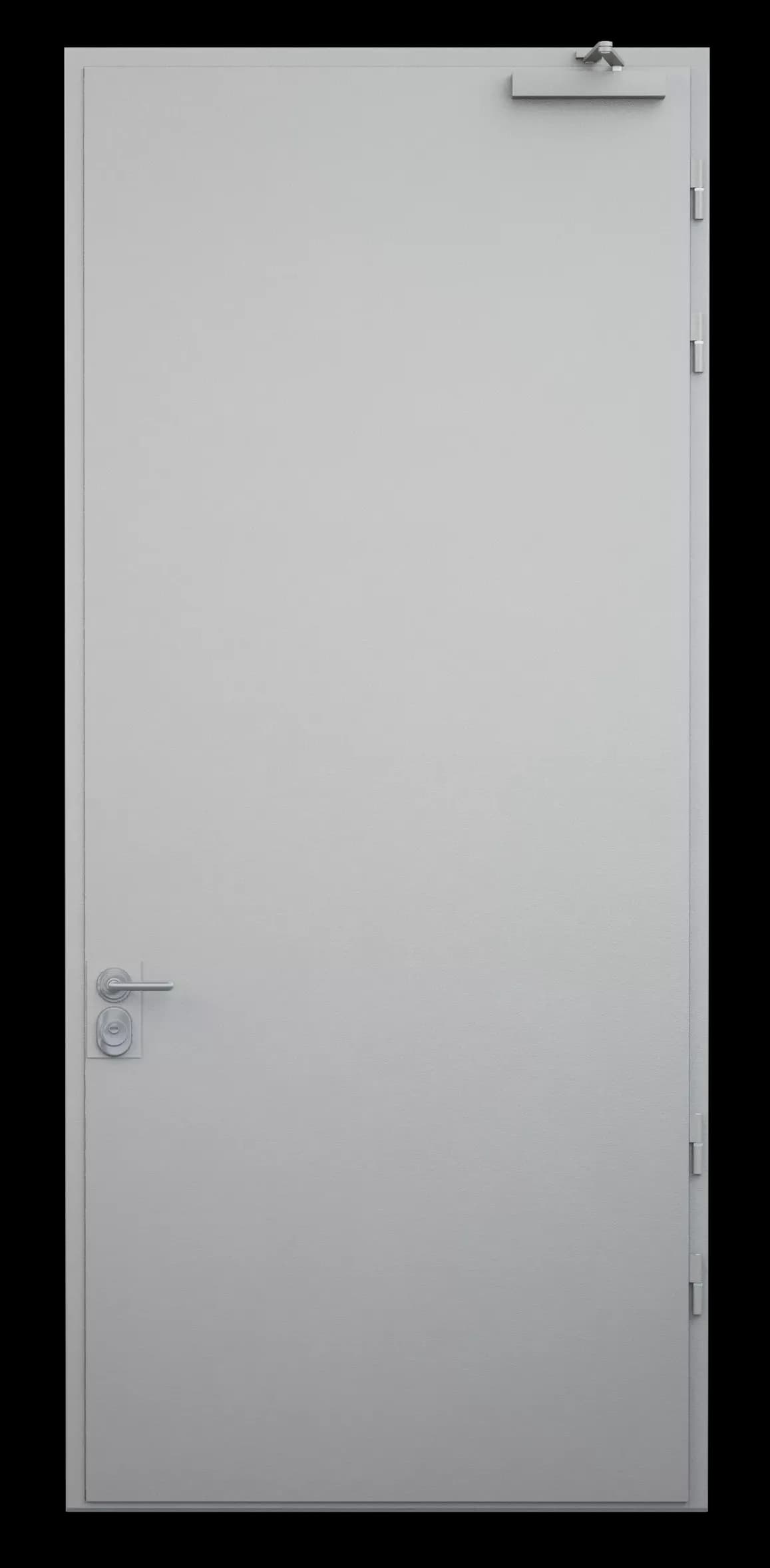
Air Blast EXR1 Doors
Our Air Blast EXR1 doors are manufactured in both single and double-leaf variants, certified to EXR1 class according to EN 13123-2:2004, providing protection against explosive threats in high-risk environments.
EXR1
RC4
5C
CE certified
Internally reinforced
Anti-corrosion coating
Abloy locks
Sound insulation
Resistance to wind load