EN 12209 – Mechanical Locks and Locking Systems
Standard: EN 12209:2016 (PN-EN 12209:2016)
EN 12209 specifies requirements for mechanical locks and locking systems for use in doors, windows, and shutters. It covers durability, mechanical strength, and security classification. The highest security class under this standard is class 7, which is required for high-security doors in many applications.
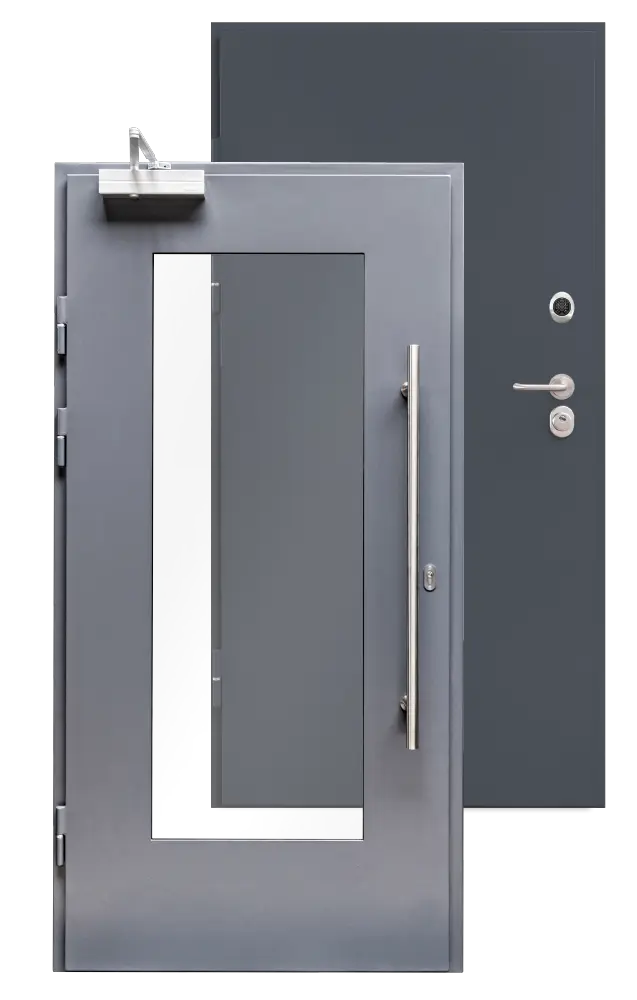
View Our High Security Doors
Our doors use mechanical locks certified to EN 12209 class 7 where applicable.
Standard Information
- Standard: EN 12209:2016
- Title: Locks and latches – Mechanically operated locks, latches and locking plates – Requirements and test methods
- Scope: Mechanical locks, latches, and locking plates for doors, windows, and shutters
Security Classification
EN 12209 defines security classes based on resistance to forced entry, drilling, and other attacks. Class 7 represents the highest level of mechanical security. Locks in this class are typically used in RC2–RC5 door assemblies. The RC rating, however, is assigned to the complete door set under EN 1627, not to the lock alone.
Key Requirements
- Durability (number of operating cycles)
- Mechanical strength and resistance to forced entry
- Resistance to drilling and manipulation
- Safety in use (e.g. key retrieval, trapping)
Locks Used in TDS Doors Compliant with EN 12209
Our mechanical locks that meet EN 12209 class 7 include:
- ROM 2 – Mortise hook lock, RC2
- MOTTURA Multi Point (85.xxx) – Multi-point lock, RC4/RC5
- KALE 352 R – Mortise lock, RC3
For electromechanical locks, see EN 14846. For a full list of compatible locks, see Locks Compatible with TDS Security Doors.
Multipoint locks & secure-storage doorsets
High-security multipoint locks certified to EN 12209 (e.g. class 7) are often specified on EN 1143-1 bank and strongroom-type doorsets, together with an additional lock to EN 1300. See our bank-designated security door for a typical combination listed on the product certification.