Bullet Resistance Classification According to EN 1522:2000
EN 1522:2000 is the European standard that defines the classification system for bullet resistance properties of windows, doors, shutters, and blinds. The standard establishes seven resistance classes (FB1 to FB7), each tested against a specified weapon type, calibre, and velocity. Matching ballistic glass is classified BR1–BR7 under EN 1063, using the same calibres.
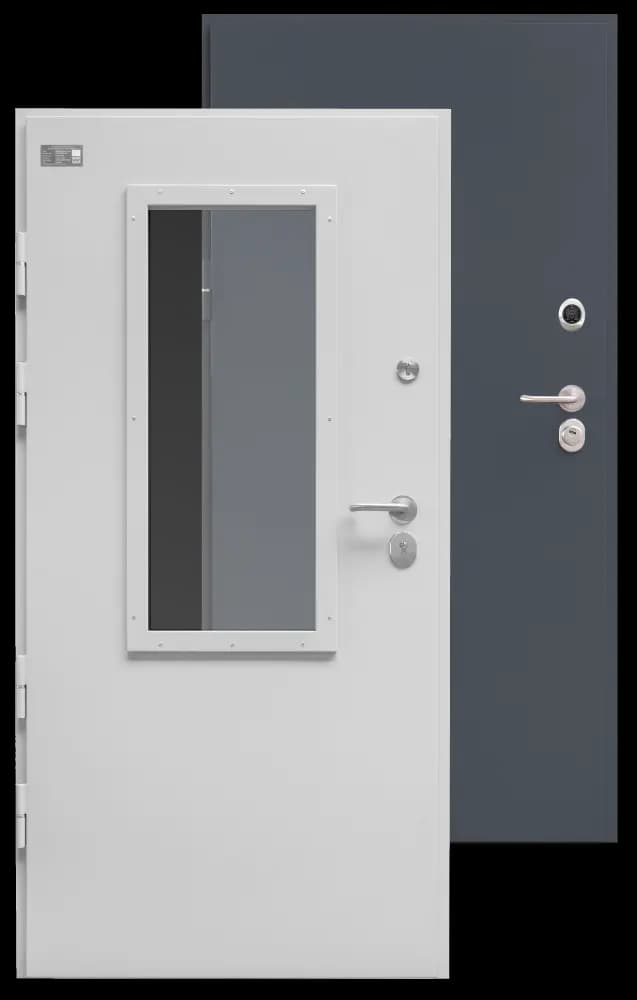
View Our Bullet Proof Security Doors
Explore our range of bullet proof security doors with certified resistance ratings.
Resistance Classes Overview
| Class | Weapon type | Calibre | Ammunition | Velocity (m/s) |
|---|---|---|---|---|
| FB1 | Rifle | .22 LR | Lead, round nose | 360 |
| FB2 | Automatic pistol | 9 mm Luger | FJ / soft core | 400 |
| FB3 | Handgun | .357 Magnum | FJ / soft core | 430 |
| FB4 | Handgun | .44 Rem Magnum | FJ / soft core | 440 |
| *AK47 | Automatic rifle | 7.62×39 | FJ / soft core | 700 |
| FB5 | Assault rifle | 5.56×45 | FJ / steel core | 950 |
| FB6 | Rifle | 7.62×51 | FJ / soft core | 830 |
| FB7 | Rifle | 7.62×51 AP | Steel hard core | 820 |
*AK47 is an additional test class (7.62×39), not part of the numbered FB1–FB7 sequence. TDS supplies certified doorsets from FB4 to FB7.
Testing Requirements
Each resistance class is tested against:
- Multiple shots at specified distances
- Different ammunition types
- Impact at various angles
- Spalling and fragmentation control
- Structural integrity maintenance
Components Tested
Testing includes assessment of:
- Glazing systems
- Frame construction
- Hardware components
- Sealing systems
- Installation methods
Application Guidelines
Recommended applications by class:
- FB1–FB3: .22 LR and handgun threats (9 mm Luger, .357 Magnum)
- FB4: .44 Rem Magnum — typical for banks and cash-handling areas
- FB5: 5.56×45 assault rifle — embassies, police, VIP facilities
- FB6–FB7: 7.62×51 rifle and armour-piercing — military and critical infrastructure
Safety Requirements
- Emergency egress compliance
- Fire safety standards
- Accessibility requirements
- Maintenance access
- Emergency response procedures
Important Considerations:
- Classification must match security requirements
- Higher classes require increased maintenance
- Insurance requirements may dictate minimum class
- Local regulations may specify minimum standards
Explore Our Bullet Proof Security Doors
Discover our range of bullet proof security doors with certified resistance ratings and comprehensive protection features.